
Mentored Capstone Studios: The Backbone of Career‑Focused Training
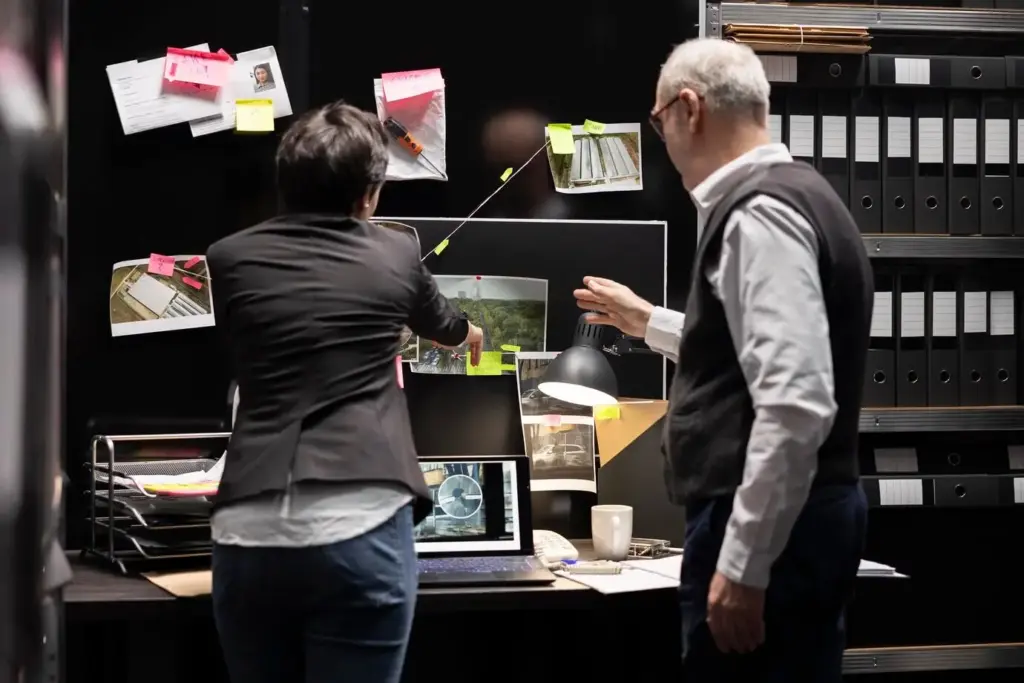
Today we dive into how mentored capstone studios become the backbone of career‑focused training, transforming coursework into production‑grade experiences. With industry mentors, real clients, rigorous feedback, and employer‑aligned outcomes, learners graduate with confidence, clarity, collaborative habits, and a portfolio that speaks in the language hiring managers understand.

Why Mentorship Transforms Capstones

Mentorship shifts capstones from isolated student projects into collaborative, market‑aligned sprints that mirror real production constraints. Experienced professionals reframe decisions through delivery timelines, stakeholder expectations, and quality bars, pushing learners beyond minimum requirements toward reliable execution, measurable outcomes, and habits that make teams want to work with them again.

Designing Studios Around Employer Outcomes

Competency mapping that guides every sprint

Start by defining competencies as observable behaviors—writing crisp tickets, running stand‑ups, triaging bugs, instrumenting analytics, and presenting trade‑offs. Attach them to sprint rituals and artifacts, so students know exactly how progress is measured. This alignment helps mentors give targeted feedback that translates directly into interview and workplace performance.

Real clients, clear scopes, responsible change control

Invite nonprofit partners, startups, or internal stakeholders to propose problems with measurable value. Scope intentionally, document assumptions, and use change control to manage shifting priorities. Students learn stakeholder management, risk logs, and acceptance criteria, building the muscles that keep teams moving even when surprises arrive late in the schedule.

Assessments that mirror hiring processes

Replace generic grading with rubrics that reflect hiring signals: code clarity, research rigor, design rationale, testing strategy, and presentation strength. Incorporate panel demos, artifact reviews, and structured Q&A. This familiar rhythm helps students ease into interviews, while employers trust what the capstone evidence says about readiness and reliability.

Operational Models and Scalability

Well‑run studios balance mentor time, cohort size, and project complexity. Clear mentor‑to‑team ratios, defined escalation paths, and standardized playbooks keep quality high as programs grow. Remote and hybrid setups thrive with transparent tooling, working agreements, and asynchronous rituals that preserve momentum without demanding unsustainable schedules from learners or mentors.

Mentor‑to‑team ratios that actually work

Sustainable studios often begin with one mentor per two to three teams, paired with rotating office hours and structured checkpoints. This cadence prevents bottlenecks, ensures timely decisions, and keeps feedback specific. As cohorts scale, add associate mentors and near‑peer alumni to preserve responsiveness without diluting the depth of professional guidance.

Distributed collaboration without chaos

Adopt shared documents, issue trackers, and observable backlogs. Use thoughtfully scheduled stand‑ups, async updates, and weekly demos to anchor progress. Time‑zone‑friendly checklists, pre‑recorded walkthroughs, and documented decisions reduce friction, while communication norms and conflict protocols help teams course‑correct quickly when misunderstandings or blockers inevitably surface.

Equity, Access, and Inclusive Practices

Equitable studios welcome diverse learners into psychologically safe, high‑expectation environments. Transparent rubrics, multiple feedback modalities, flexible scheduling, and accessible materials open doors. Mentors model inclusive collaboration, facilitate healthy conflict, and acknowledge systemic barriers, ensuring talent is recognized, potential is nurtured, and opportunities are shared without gatekeeping or hidden rules.

Onboarding that levels the playing field

Start with explicit norms, vocabulary glossaries, and role expectations. Offer orientation to tools, sample artifacts, and past project walkthroughs. Provide accommodations without stigma, and ensure all instructions are accessible. When expectations are clear and resources are visible, learners from nontraditional backgrounds can demonstrate strengths without decoding unspoken conventions.

Psychological safety with constructive rigor

Balance high standards with humane delivery. Use structured critiques focused on decisions and evidence, not personalities. Normalize asking for help, documenting unknowns, and sharing early drafts. Safety plus rigor encourages ambitious attempts, faster iteration, and resilient teams that treat feedback as fuel rather than judgment or performance theater.

Data, Feedback, and Continuous Improvement

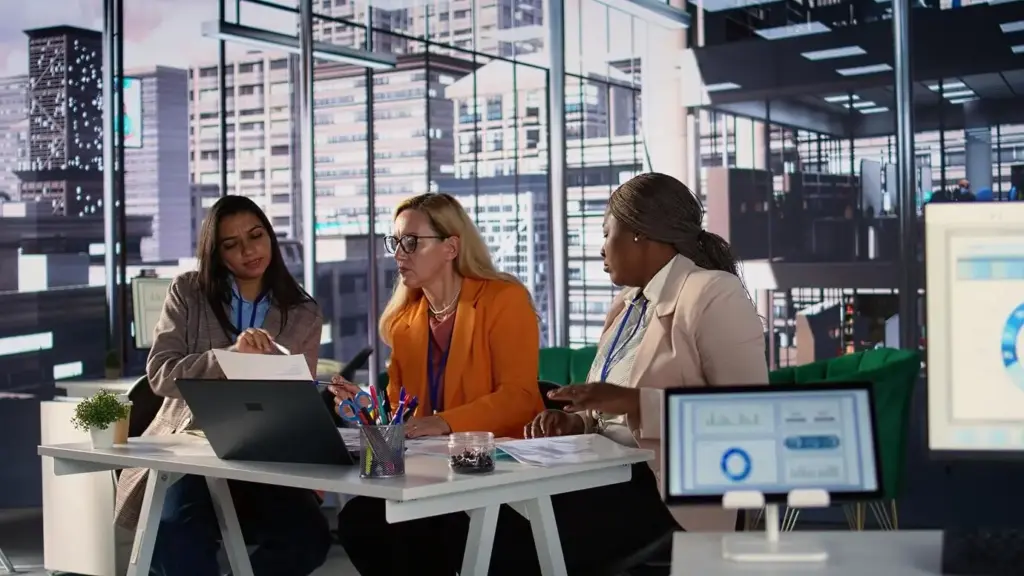
Outcomes improve when studios instrument their processes. Track hiring velocity, role alignment, artifact quality, and mentor bandwidth. Collect employer feedback on graduate performance, then adjust rubrics and rituals accordingly. Transparent metrics build trust, while continuous iteration keeps the studio’s practices aligned with evolving tools, expectations, and market realities.

Stories from the Studio Floor

Narratives make the impact tangible. Teams wrestle with flaky tests, unclear briefs, or shifting priorities, then learn to clarify scope, automate checks, and realign stakeholders. Each milestone builds identity and confidence. Share your experience, questions, and wins—your story may help someone else take the next step forward.

The failing sprint that saved a launch

One team’s delivery slipped after underestimating integration complexity. Guided by a mentor, they introduced a risk log, split stories by dependency, and added smoke tests. The next sprint caught regressions early, restored trust, and ultimately shipped on schedule with a performance improvement they could clearly measure and defend.

When guidance beats quick fixes

A mentor resisted patching a production bug for students, choosing instead to pair on reproducing steps, writing a failing test, and isolating the root cause. The fix held, the learning stuck, and the team internalized a repeatable process they later applied to harder, higher‑stakes incidents under pressure.
Xelomiravunt
Privacy Overview

This website uses cookies so that we can provide you with the best user experience possible. Cookie information is stored in your browser and performs functions such as recognising you when you return to our website and helping our team to understand which sections of the website you find most interesting and useful.